Rising cost pressures & global competition
Automotive companies must innovate faster while reducing cost per vehicle to stay competitive.

From electrification to autonomy, simulation drives smarter, safer, and faster automotive innovation.

Overview
The automotive industry is changing fast — with Electric Vehicles (EVs), ADAS, and Autonomous Vehicles pushing the boundaries of innovation. To stay ahead, companies need smarter ways to design, test, and validate complex systems. At CADFEM India, we support this shift with powerful multiphysics simulation solutions that reduce physical testing, save costs, and bring safe, efficient vehicles to market faster.
From concept to road-ready, CADFEM's simulation solutions fuel the future of mobility.
Automotive companies must innovate faster while reducing cost per vehicle to stay competitive.
Vehicle subsystems like batteries, ADAS, and crash safety must now be co-developed due to overlapping performance impacts.
Engineering teams are expected to do more with less — faster design cycles, fewer test loops, and broader responsibilities.
Digital-first approaches are required to meet time-to-market goals while maintaining quality.
Compliance with evolving global standards (e.g., ISO 26262, GTRs, Euro NCAP) demands early validation and documentation.
Consumer expectations around comfort, safety, and digital experience are rising, requiring deeper system integration.
Solution with Simulation
Accelerate development of electrified powertrains, ADAS, and autonomous vehicles by reducing validation cycles and minimizing the need for physical prototypes.
Streamline thermal management, battery simulation, and power electronics design with AI-driven workflows that reduce manual effort and enhance simulation efficiency.
Explore optimal solutions early by leveraging electric motor design and vehicle chassis simulation for lightweight, high-performance designs.
Unlock faster insights with GPU/CPU-accelerated solvers for complex tasks such as crash and safety analysis and vehicle exterior aerodynamics.
Virtually test thousands of design iterations — including battery safety, thermal stress, and structural performance — to ensure optimal reliability.
Reduce rework, material waste, and inefficiencies by simulating and validating designs across vehicle interiors, powertrain systems, and electronic components.
Ensure systems meet global standards through virtual crash simulations, ADAS validation, and edge-case assessments using digital twins.
Simulation accelerates EV development by enabling virtual testing of components like battery systems, electric motor design, and power electronics, helping reduce development time and improve performance across the electrified powertrain.
Yes, CADFEM enables ADAS development through high-fidelity simulation for sensor integration, vehicle exterior aerodynamics, and control logic testing, ensuring safer and more reliable autonomous vehicle functions.
Absolutely. CADFEM's multiphysics simulation helps optimize thermal management, combustion, and power electronics, leading to better energy efficiency and reduced emissions in hybrid and electric vehicles (HEVs).
Simulation is essential for autonomous vehicles, offering virtual environments to validate sensor performance, test scenarios, and optimize ADAS features — accelerating safe and scalable development.
Simulation minimizes the need for costly prototypes by validating concepts early, using vehicle chassis simulation, battery simulation, and digital twin technology for accurate performance predictions.
Yes, CADFEM offers advanced tools for thermal management to ensure efficient cooling in EVs and HEVs, covering battery systems, inverters, and electric motors, enhancing safety and longevity.
CADFEM leverages vehicle interior simulation, crash and safety analysis, and multiphysics simulation to assess and improve NVH, structural integrity, and passenger safety across all vehicle platforms.
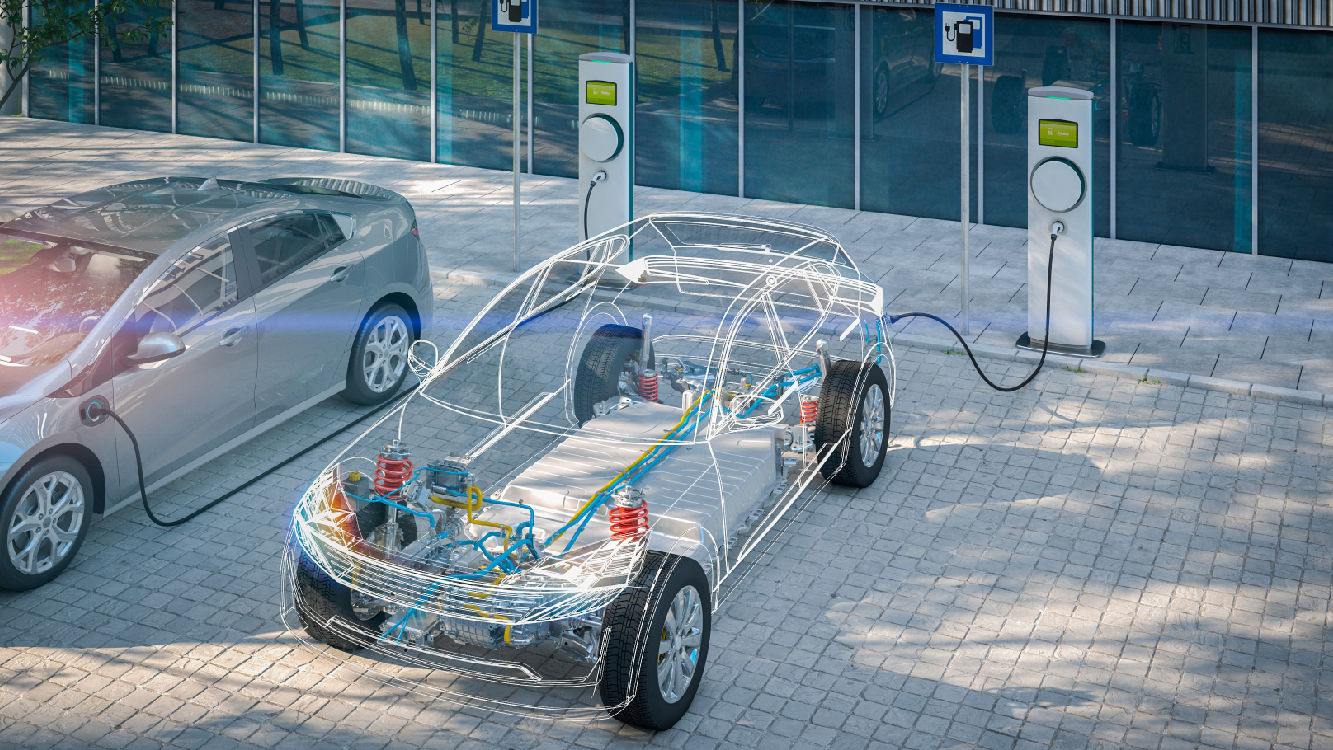
Electromobility
CADFEM along with Ansys solutions enables end-to-end virtual validation of electric vehicles — from battery design to full system integration. Our open simulation platform allows EV teams to design smarter, safer, and more efficient electric drivetrains, while reducing costly hardware testing and speeding up regulatory approval.
Building and testing EV components physically is expensive and slows down development.
Design issues often emerge late in testing, requiring costly redesigns.
EV systems are vulnerable to software and hardware failures without early validation.
These high-stress scenarios require advanced multiphysics modeling to predict performance accurately.
Multiple subsystems must be virtually integrated early to avoid rework in later stages.
Meeting safety and process standards requires simulation-led verification and traceability.
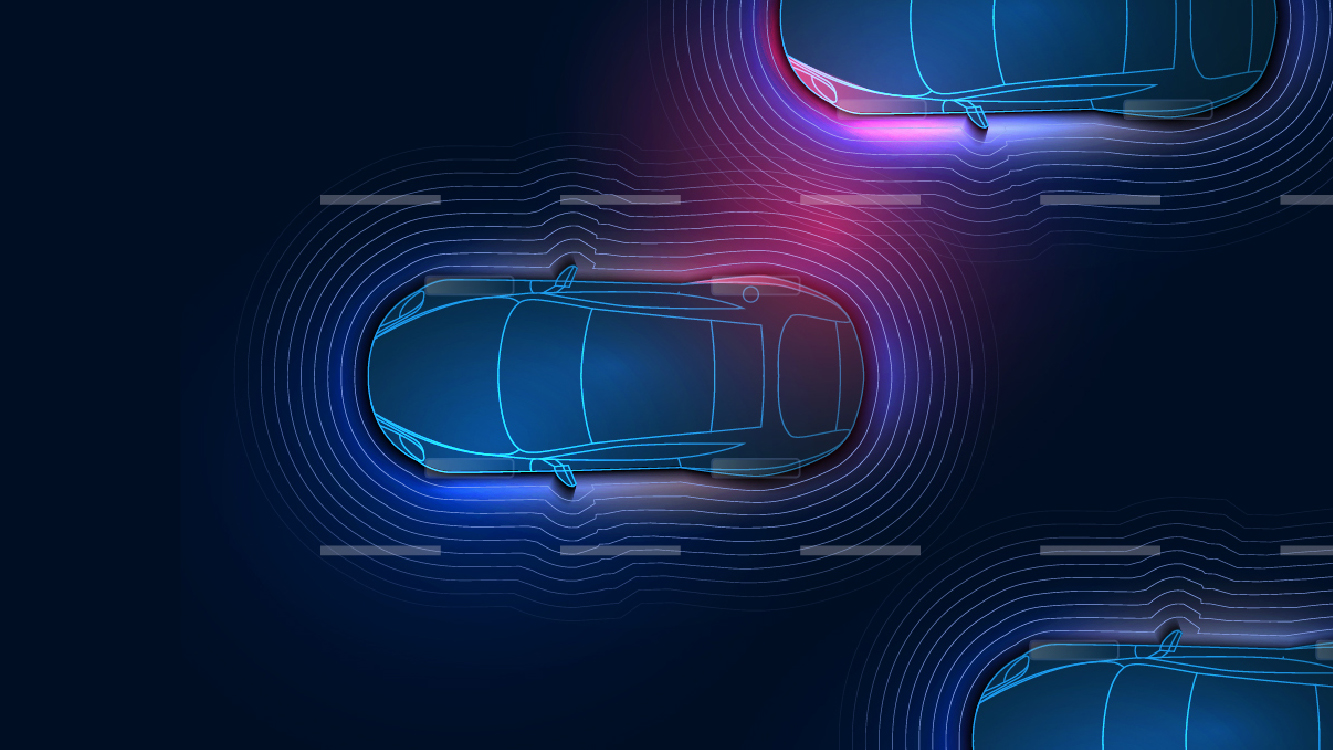
ADAS
Ansys solutions support ADAS development from early concept to system validation — ensuring safety, performance, and compliance. With virtual testing environments, sensor modeling, and scenario simulations, engineers can test ADAS features like lane detection, emergency braking, and adaptive cruise under countless real-world conditions — without risking lives or delays.
It's impossible to manually test every scenario a vehicle might encounter.
Radar, LiDAR, and camera systems must work together seamlessly in all environments.
Failure to simulate interactions leads to downstream performance issues.
Systems must meet strict safety and security requirements before deployment.
Test tracks, crash labs, and environmental chambers add significant cost and delays.
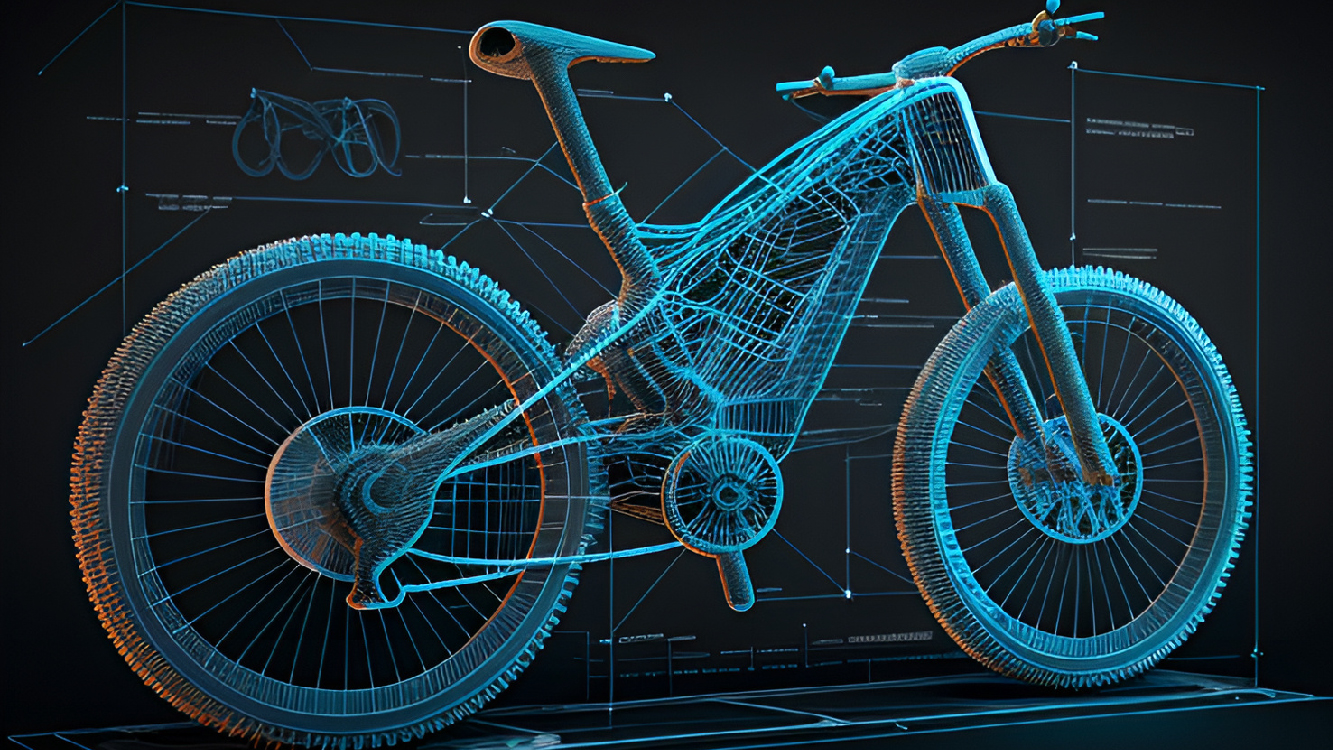
Software-Defined Vehicles
Today's vehicles are evolving into software-defined platforms requiring real-time updates, seamless hardware-software integration, and reliable system performance. Ansys enables SDV innovation with model-based systems engineering (MBSE), embedded software development, and safety-compliant simulation workflows.
Vehicles are becoming software-centric, requiring scalable code validation and testing.
Hardware-software mismatches lead to critical delays and recalls.
Software-related failures often go unnoticed until late in development.
Isolated workflows between embedded software, electronics, and mechanical teams slow down progress.
Software-defined platforms require real-time alignment between electrical, thermal, and control domains.
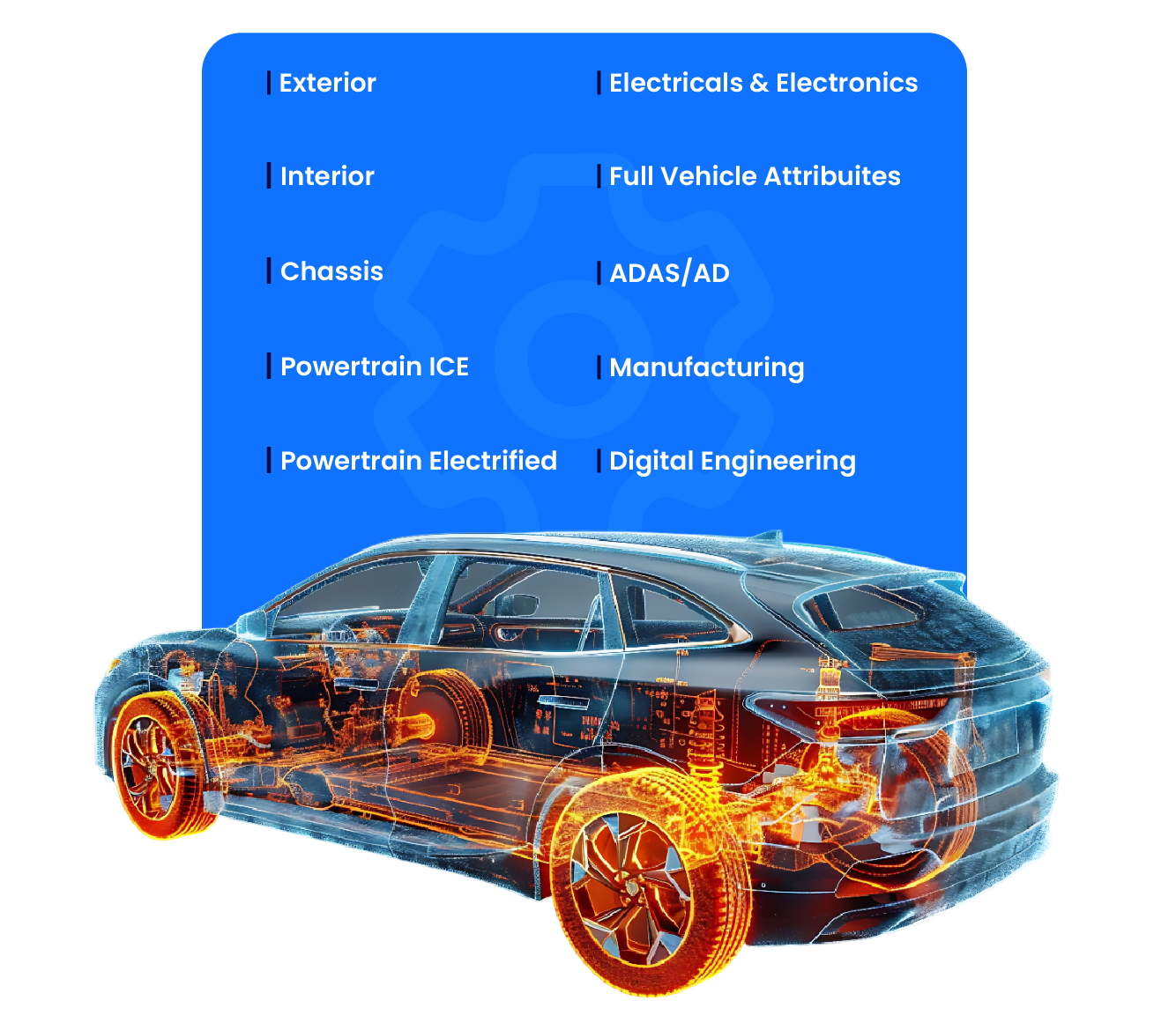
Vehicle Development
We provide an integrated, multiphysics platform for full-vehicle simulation — from body aerodynamics and crash performance to thermal management, cabin acoustics, and powertrain efficiency. Our tools enable digital twin models that reduce testing, improve design reliability, and speed up vehicle development.
Automotive teams must deliver advanced systems faster, pushing the need for smarter, more efficient design tools.
Engineers need to model structures, fluids, electronics, and control systems in a unified platform.
Performance and compliance issues often surface too late in development.
Vehicle systems must deliver on ride quality, crash safety, emissions, and acoustics — simultaneously.