Shorter product lifecycles & intense competition
Rapid market shifts demand faster design and production cycles with uncompromised quality.

From appliances to packaged goods, simulation drives innovation in performance, safety, and sustainability.

Overview
The consumer goods industry is driven by rapid innovation, dynamic consumer expectations, and growing demands for energy efficiency, sustainability, and cost-effectiveness. From household appliances and wearables to food packaging and sports equipment, product performance and reliability must be balanced with faster design cycles and sustainable manufacturing.
At CADFEM, we empower consumer goods companies to reimagine product development through digital engineering and multiphysics simulation. Leveraging Ansys technologies, our open, scalable simulation platform enables teams to model every physical interaction — thermal, structural, electromagnetic, and fluid — before production. This reduces prototyping costs, ensures product reliability, optimizes material use, and accelerates time-to-market. Whether you're enhancing appliance durability, improving food processing efficiency, or designing smart wearables, CADFEM helps you bring better products to consumers — faster and more sustainably.
Rapid market shifts demand faster design and production cycles with uncompromised quality.
Products must meet performance targets under mechanical, thermal, and environmental stress.
Manufacturers must reduce material waste, energy consumption, and environmental impact.
Consumers expect flawless design, quiet operation, durability, and connectivity.
Global regulations on food safety, consumer protection, and energy efficiency require early-stage validation.
Virtual prototyping is essential to reduce cost and risk before physical production.
Solution with Simulation
Shorten design cycles through virtual prototyping and AI-driven optimization.
Analyze lifecycle performance to minimize waste and energy use.
Validate mechanical, thermal, and electromagnetic durability early.
Reduce costs through virtual material testing and lightweighting.
Ensure regulatory adherence through simulation-based verification.
Integrate design, testing, and manufacturing workflows digitally.
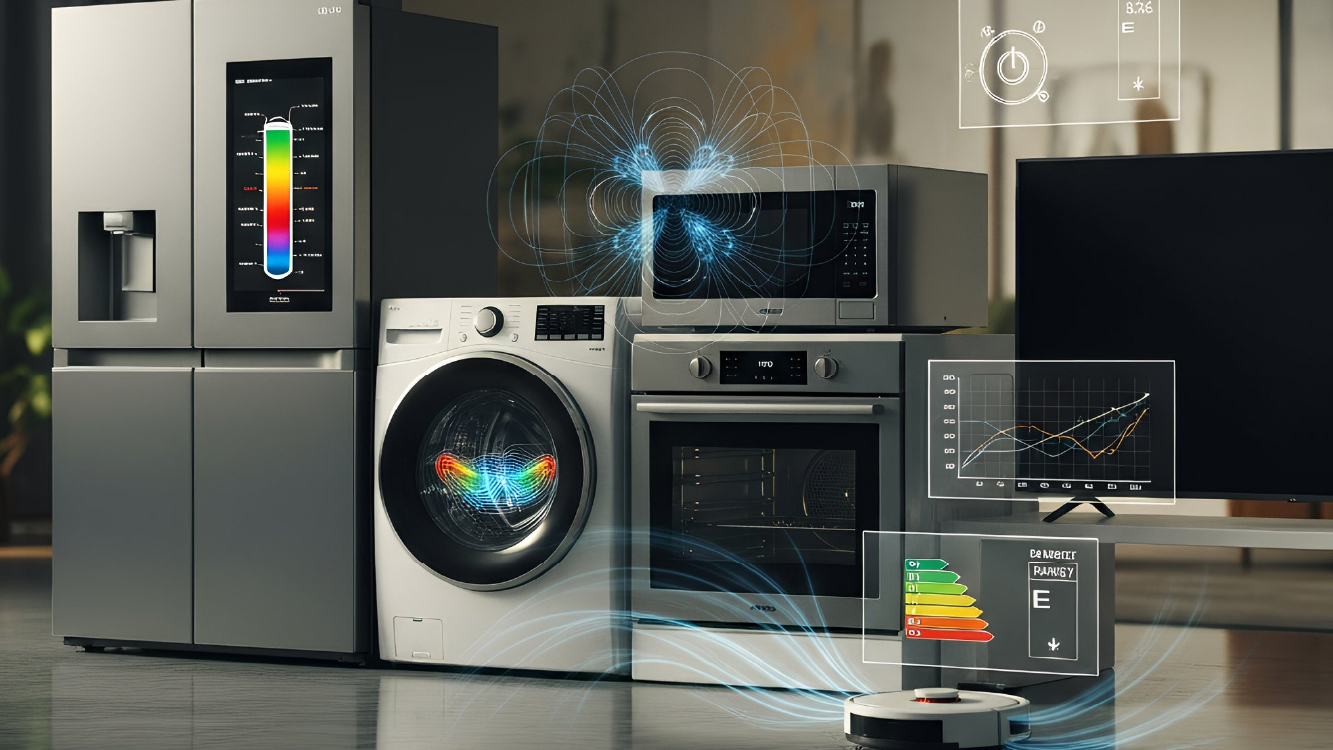
Appliances & Consumer Electronics
From smart appliances to personal electronics, simulation helps manufacturers design quieter, more efficient, and longer-lasting products. CADFEM and Ansys solutions enable performance optimization across thermal management, electromagnetics, acoustics, and durability — empowering engineers to create consumer electronics that are smarter, lighter, and more energy-efficient.
Tightly packed components generate heat that must be controlled to ensure performance, safety, and long-term reliability.
Slimmer product profiles demand materials and geometries that reduce weight without compromising durability.
Consumers expect quiet, seamless performance — requiring precise analysis of vibration, noise sources, and airflow.
Growing wireless connectivity increases electromagnetic interference risks, demanding early validation to meet global standards.
Efficient power use is essential to improve battery health, reduce heat generation, and enhance overall product longevity.
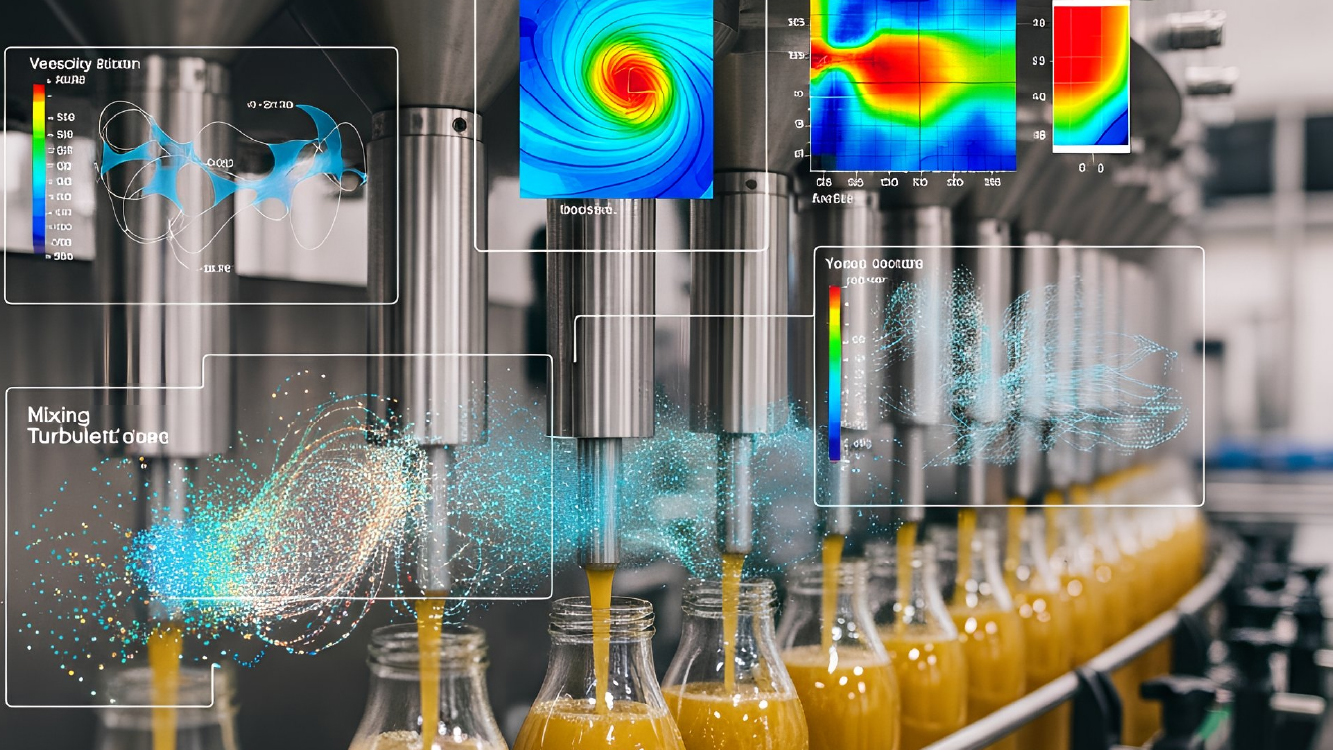
Food & Beverage
Simulation transforms how food and beverage manufacturers design, process, and package their products. By virtually testing equipment performance, thermal distribution, and material behavior, CADFEM helps companies improve food safety, packaging efficiency, and sustainability — while reducing waste and energy costs.
Manufacturers must maintain uniform performance despite fluctuations in temperature, load, and environmental factors.
Accurate prediction of flow, temperature distribution, and mixing behavior is essential for achieving optimal processing outcomes.
Cleanable designs and predictive insights help prevent residue buildup, microbial growth, and frequent shutdowns.
Balancing protective performance with material reduction and sustainable choices is key to modern packaging success.
Compliance demands early validation of safety, cleanliness, and performance requirements across every stage of production.

Sports
From footwear and helmets to bicycles and rackets, simulation enables the design of sports products that deliver peak performance, comfort, and safety. CADFEM supports leading sports brands in exploring new materials, improving ergonomics, and optimizing aerodynamics — helping athletes perform better and safer.
Lightweight materials must deliver the robustness needed for daily use, drops, and repeated loads.
Ergonomic design and usability depend on accurate modeling of human behavior and contact forces.
Products must survive real-world motions like vibration, impact, and accidental misuse.
Virtual testing accelerates iteration cycles while minimizing tooling and rework expenses.
Digital simulations allow controlled, repeatable scenarios that are difficult to achieve physically.
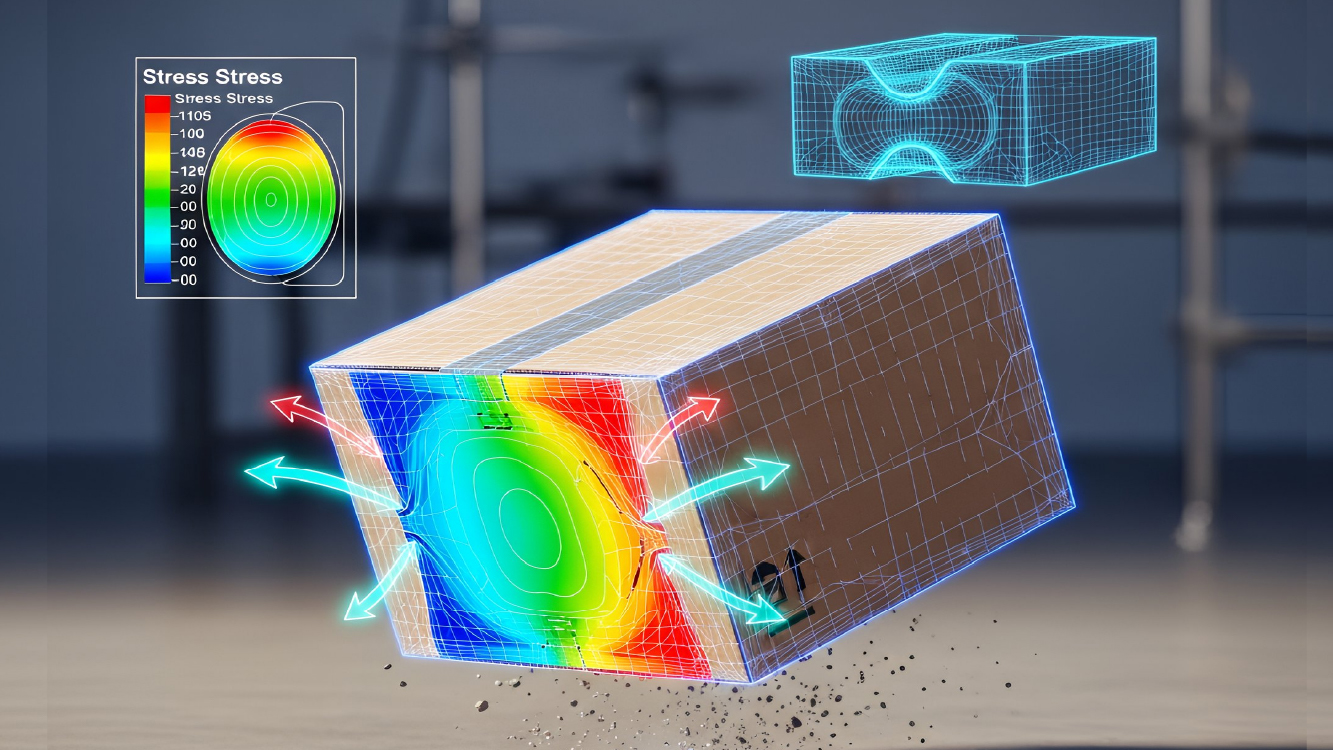
Consumer Packaged Goods (CPG)
Simulation enables CPG companies to innovate in packaging design, material selection, and manufacturing processes — delivering sustainability, durability, and product protection. CADFEM and Ansys empower teams to virtually test packaging performance, assess sustainability metrics, and reduce time-to-market for consumer products.
Packaging must protect products during handling and transport while minimizing material usage.
Sustainable packaging requires smart material choices without compromising performance.
Simulating stresses, moisture ingress, and creep prevents structural failures in transit and storage.
Accurate modeling of drops, vibration, and compression ensures goods arrive safely and intact.
Compliance with global standards demands early validation of material behavior, strength, and safety performance.